Chapter 13 vs. Chapter 7 Bankruptcy Attorney Key Differences
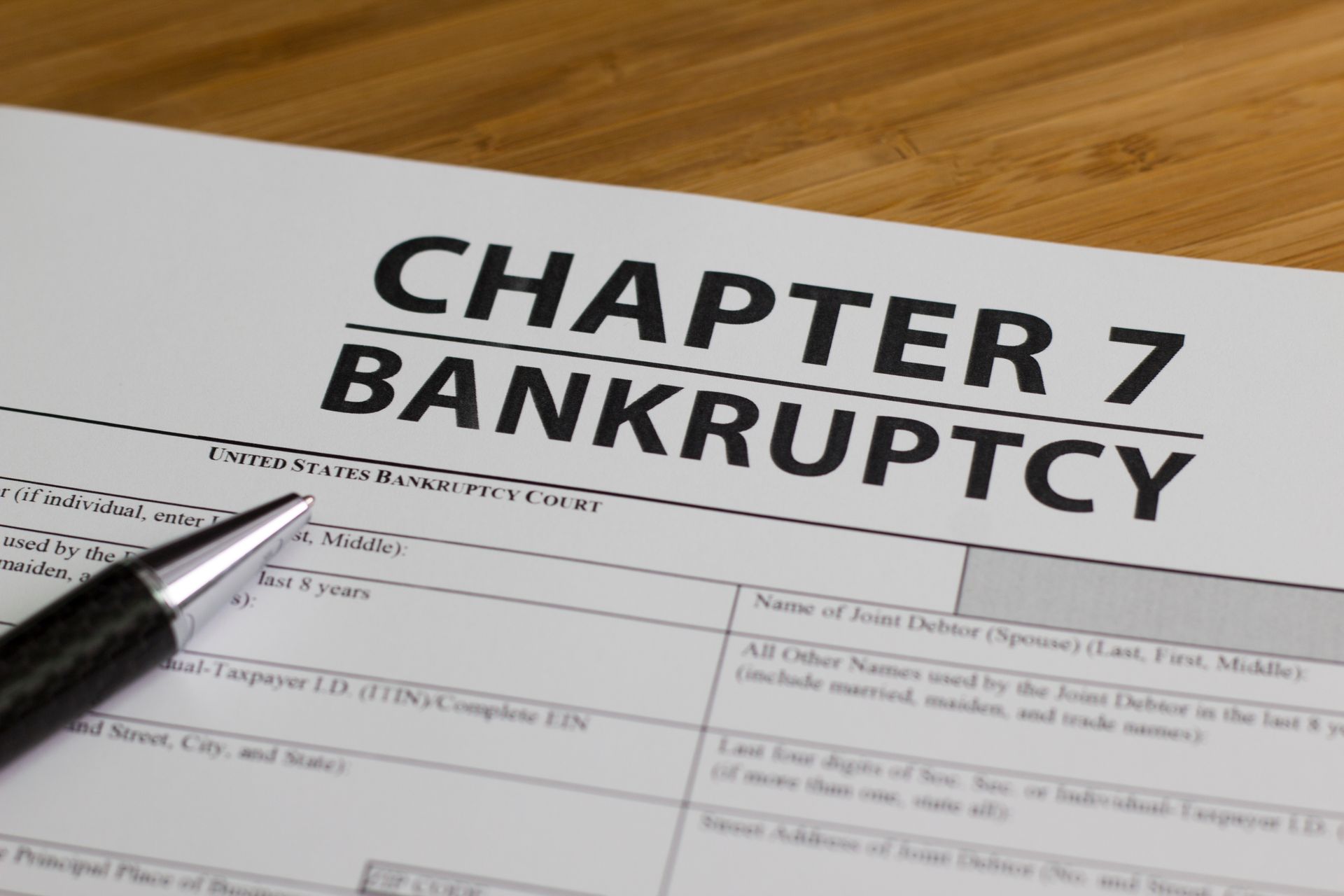
When debt keeps piling up, it can feel like there’s no clear way forward. Many individuals and families across Macon, GA, face this challenge at some point, whether due to unexpected medical bills, job loss, or rising living costs. At Julius King LLC, we often speak with people who are considering their options and wondering whether working with a Chapter 13 and Chapter 7 bankruptcy attorney could help them move toward a fresh financial start. Bankruptcy isn’t a one-size-fits-all solution, and the choice between Chapter 7 and Chapter 13 can make a big difference in how your situation is resolved. This post explains the key differences between these two common forms of bankruptcy so you can better understand which path may suit your financial circumstances.
Why Understanding Bankruptcy Options Matters
Deciding whether to file for bankruptcy is a major financial decision, and understanding the differences between Chapter 7 and Chapter 13 is an important first step. Both options are designed to help people dealing with overwhelming debt, but they work in different ways and are suited for different financial situations.
In simple terms:
- Chapter 7 focuses on eliminating unsecured debt relatively quickly.
- Chapter 13 focuses on reorganizing debt through a structured repayment plan.
The best option often depends on your income, assets, and long-term financial goals. Speaking with a Chapter 7 bankruptcy attorney or a Chapter 13 bankruptcy attorney can help you better understand which option may be right for you.
What Is Chapter 7 Bankruptcy?
Chapter 7 bankruptcy is often referred to as “liquidation bankruptcy.” It allows eligible individuals to eliminate many types of unsecured debt, including credit card balances, medical bills, and personal loans.
A Chapter 7 bankruptcy attorney helps clients determine whether they qualify and guides them through each stage of the filing process.
Key Features of Chapter 7 Bankruptcy
- Most unsecured debts can be discharged.
- The process usually takes about 3 to 6 months.
- Certain non-exempt assets may be sold to repay creditors.
- A means test determines eligibility.
For many Macon residents with limited income and significant unsecured debt, Chapter 7 can offer a relatively quick financial reset.
However, not everyone qualifies. The means test compares your income to the median income level in Georgia. If your income is too high, Chapter 13 may be a more suitable option.
What Is Chapter 13 Bankruptcy?
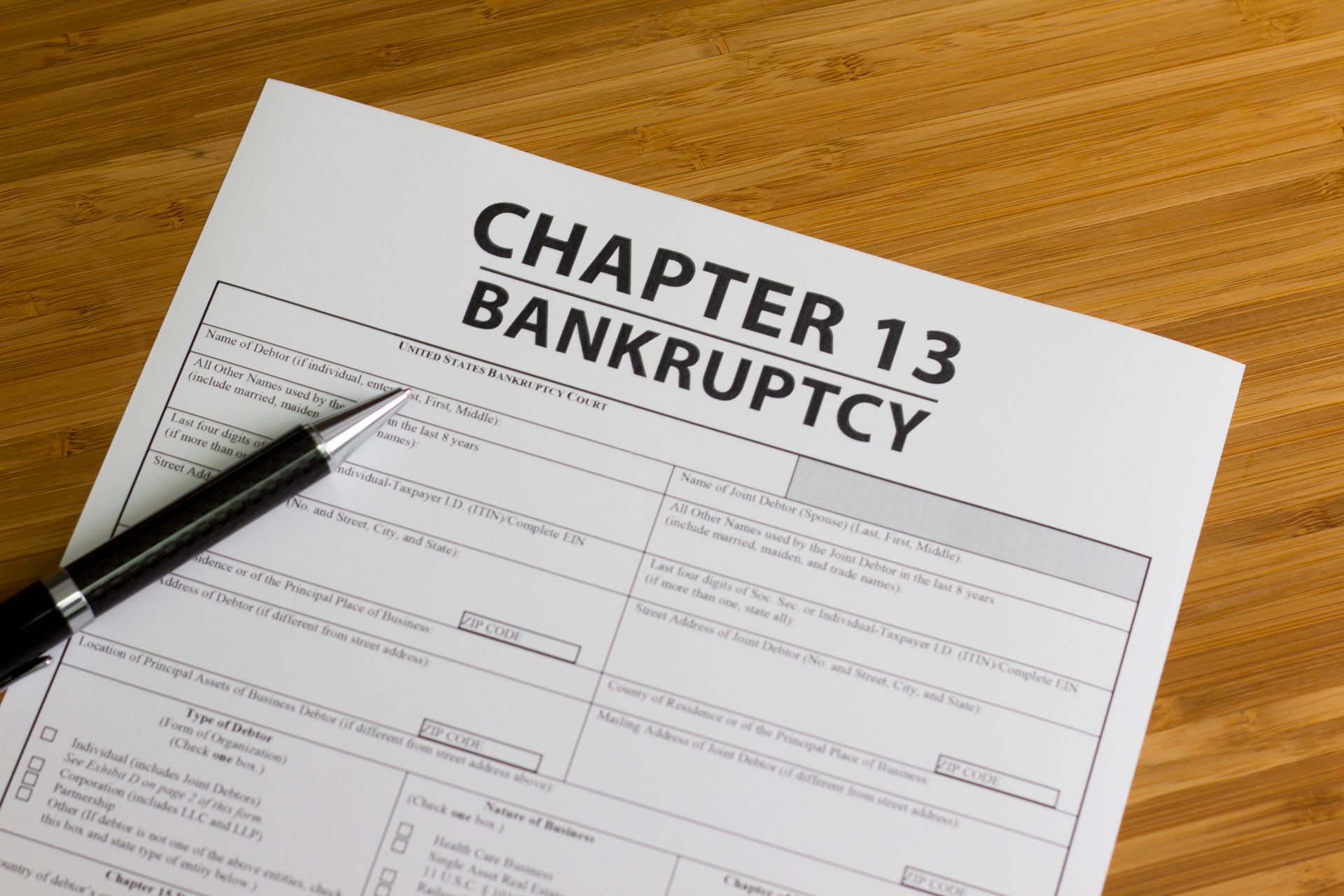
Chapter 13 bankruptcy works differently from Chapter 7. Instead of eliminating debts immediately, it allows individuals to reorganize their financial obligations through a court-approved repayment plan.
A Chapter 13 bankruptcy attorney helps create this repayment plan and submit it to the bankruptcy court for approval.
Key Features of Chapter 13 Bankruptcy
- Debts are reorganized into manageable monthly payments.
- Repayment plans usually last 3 to 5 years.
- You can often keep important property such as your home or vehicle.
- It may help stop foreclosure or repossession.
For people with steady income who need time to catch up on overdue bills, Chapter 13 can provide a structured way to regain financial stability while protecting key assets.
Key Differences Between Chapter 7 and Chapter 13
Although both bankruptcy options aim to provide relief from overwhelming debt, they function in different ways.
1. Eligibility Requirements
Eligibility for Chapter 7 largely depends on the means test. If your income falls below a certain level compared to Georgia’s median income, you may qualify.
Chapter 13 is generally designed for individuals who have reliable income and can commit to making regular payments under a court-approved plan.
A Chapter 7 bankruptcy attorney can review your financial information and help determine whether you meet the requirements.
2. Timeline and Process
One of the biggest differences between these options is the timeline.
Chapter 7 timeline:
- Usually completed within a few months.
- Debt discharge happens relatively quickly.
Chapter 13 timeline:
- Repayment plan lasts 3 to 5 years.
- Debt discharge occurs after the repayment period ends.
If you are seeking faster debt relief, Chapter 7 may be the more appealing option.
3. Impact on Assets
Many people worry about losing property when they hear the word "bankruptcy." The effect on assets varies depending on which chapter you file.
In Chapter 7:
- Non-exempt assets may be sold to repay creditors.
- Many people keep essential property through available exemptions.
In Chapter 13:
- You typically keep your assets.
- Repayment occurs through the structured payment plan.
A Chapter 7 bankruptcy attorney can explain how Georgia bankruptcy exemptions may protect property such as your home, car, or personal belongings.
4. Handling Secured Debts
Secured debts include loans tied to property such as mortgages or vehicle loans.
Chapter 13 can be particularly helpful for people who have fallen behind on mortgage or car payments. The repayment plan allows you to catch up gradually while maintaining ownership of the property.
Chapter 7, on the other hand, may require surrendering the property if payments cannot continue.
Which Bankruptcy Option Might Be Right for You?
Every financial situation is different, so there is no universal answer. Still, some general scenarios can help guide your decision.
Chapter 7 may be a better fit if:
- Your income is limited.
- Most of your debts are unsecured.
- You are seeking faster debt relief.
Chapter 13 may be a better fit if:
- You have a steady source of income.
- You want to prevent foreclosure.
- You need time to catch up on secured debts.
- You do not qualify for Chapter 7 under the means test.
Consulting with a Chapter 13 and Chapter 7 bankruptcy attorney can help you evaluate your income, debts, and assets so you can make a well-informed choice.
Get Trusted Bankruptcy Guidance Today
If you’re feeling buried under debt, getting clear information can make a world of difference. The right legal guidance can help you understand your options and decide whether Chapter 7 or Chapter 13 is the better path forward. Contact Julius King LLC today at 478-745-8490 to speak with our team and discuss your options with an experienced attorney.