Debt Settlement Attorney vs. Bankruptcy in Georgia: What Macon Residents Need to Know

Choosing between debt settlement and bankruptcy is one of the most important financial decisions a Macon resident can make. Working with a qualified Debt Settlement Attorney in Macon, GA, can help you understand which path fits your situation best. This guide breaks down how each option works, how they affect your credit and taxes, and what Georgia-specific rules mean for Bibb County residents in 2026.
How Each Option Works
With debt settlement, an attorney negotiates directly with your creditors to accept a lump-sum payment for less than the full balance. This approach can resolve qualifying unsecured debts such as credit cards, medical bills, and personal loans without formal court proceedings. A Debt Settlement Attorney can evaluate which of your accounts are strong candidates for negotiation before any outreach begins.
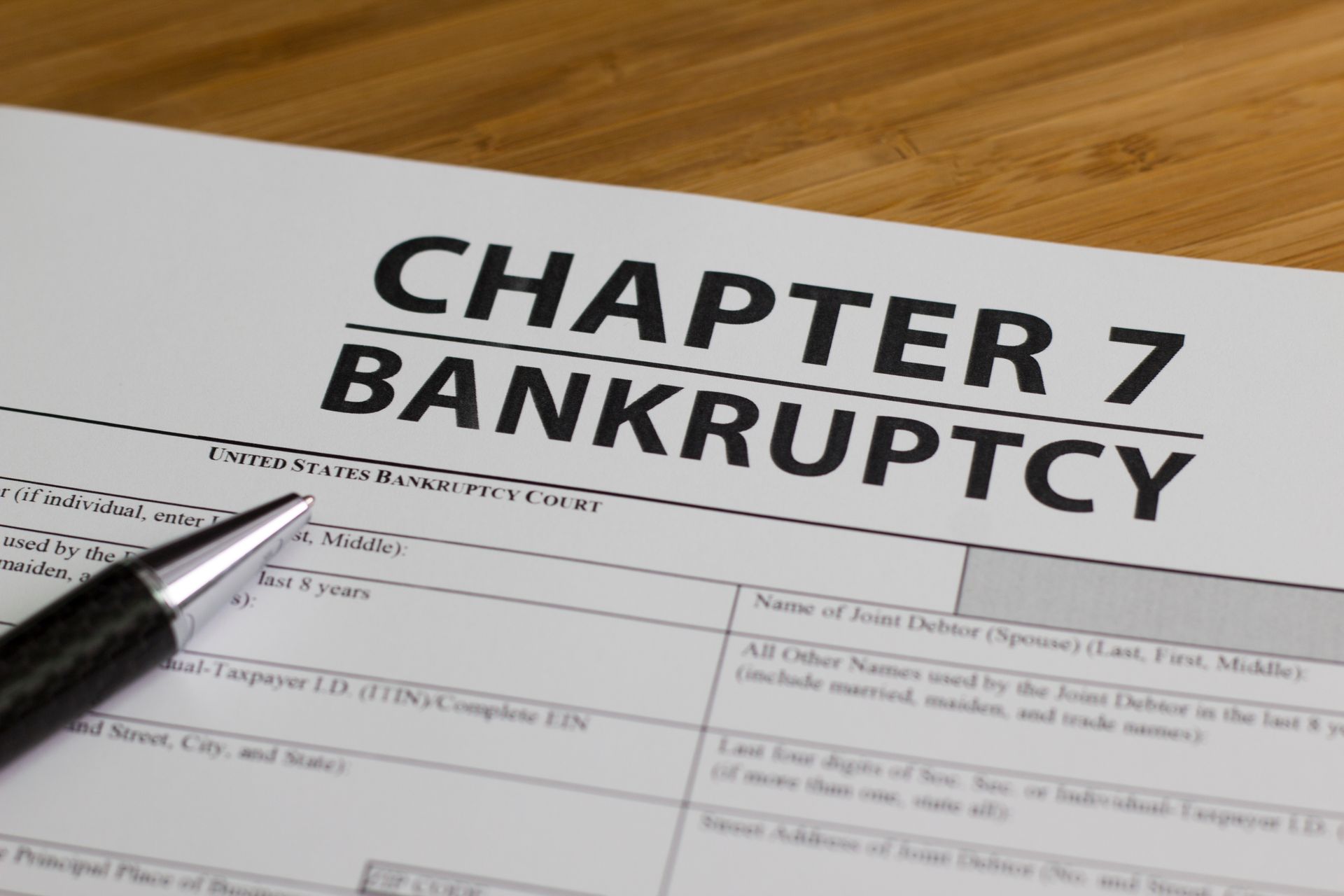
Bankruptcy involves the federal court system. Chapter 7 discharges unsecured debts and is best for individuals with limited income who need faster resolution. Chapter 13 lets you reorganize debt into a three-to-five-year repayment plan, which is beneficial if you want to keep property while catching up on missed payments. Macon-area cases are filed in the Middle District of Georgia, and 341 Meetings of Creditors are held locally.
How Does Each Option Affect Your Credit Score?
Both options lower your credit score, but differently. Debt settlement causes a temporary drop and generally has a less severe impact than bankruptcy, which can remain on your credit report for up to 10 years. Some residents find that rebuilding after bankruptcy is more predictable because the discharge is final.
The Tax Consequences of Settled Debt
Settlement can create a tax bill many Macon residents overlook. The IRS treats forgiven debt as taxable income, and lenders must file Form 1099-C when they cancel $600 or more. Under IRS Publication 4681 and IRC Section 108, you may exclude forgiven debt from income if you were insolvent when the debt was canceled. Debts discharged in bankruptcy are generally not treated as taxable income, which makes bankruptcy the cleaner financial option for some people. A Debt Settlement Attorney can review your financial picture and help determine whether the insolvency exclusion applies before you accept any offer.
When Settlement May Beat Bankruptcy for Macon Residents
Consider settlement if you have a manageable amount of unsecured debt and steady income, want to avoid a public court record, do not own significant assets to protect, or are concerned about the long-term credit impact of a bankruptcy filing. Creditors often prefer settlement over the cost and uncertainty of litigation, and that negotiating reality can work in your favor. Retaining a Debt Settlement Attorney gives you an advocate who understands those pressure points and can use them strategically.
When Bankruptcy May Be the Better Choice
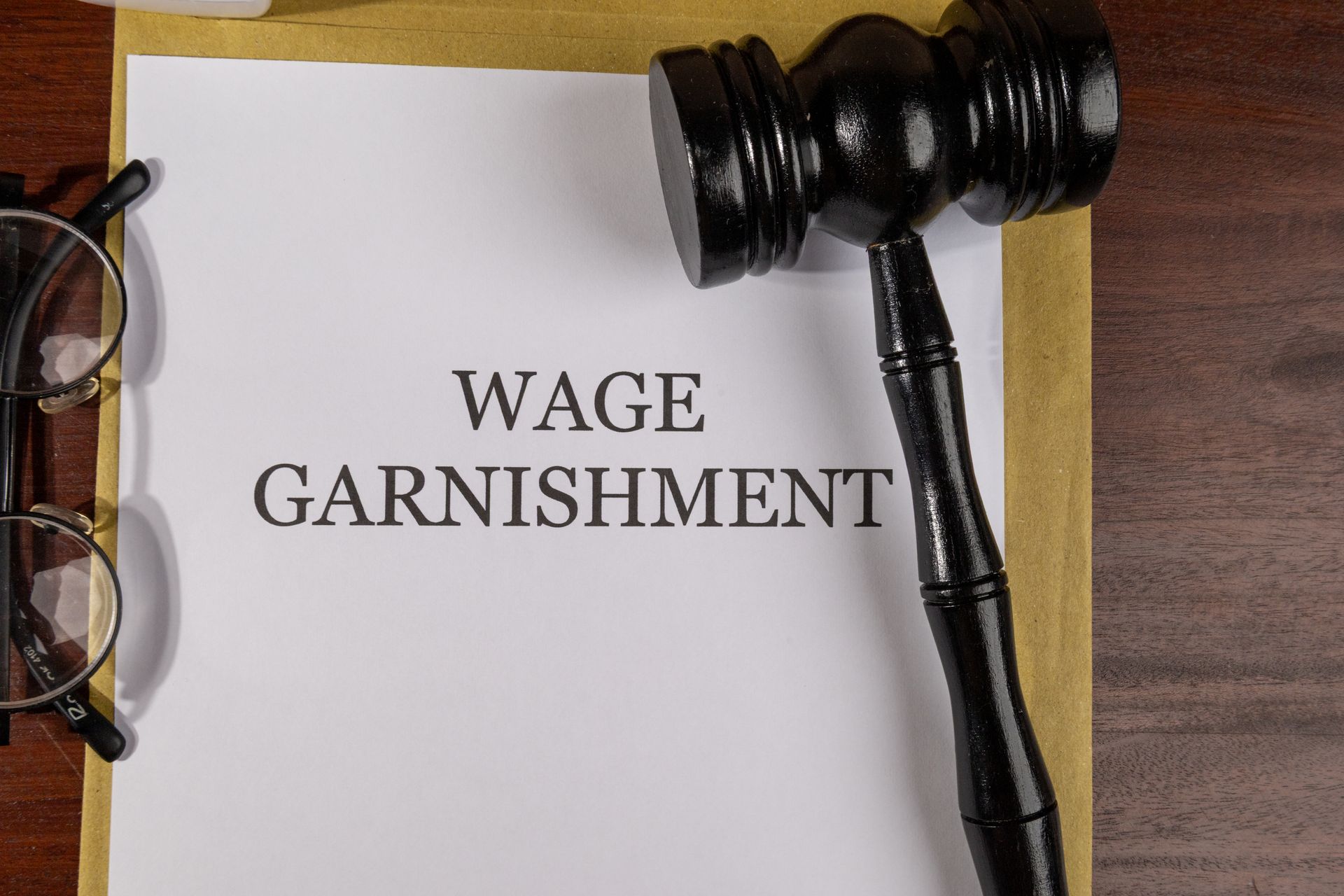
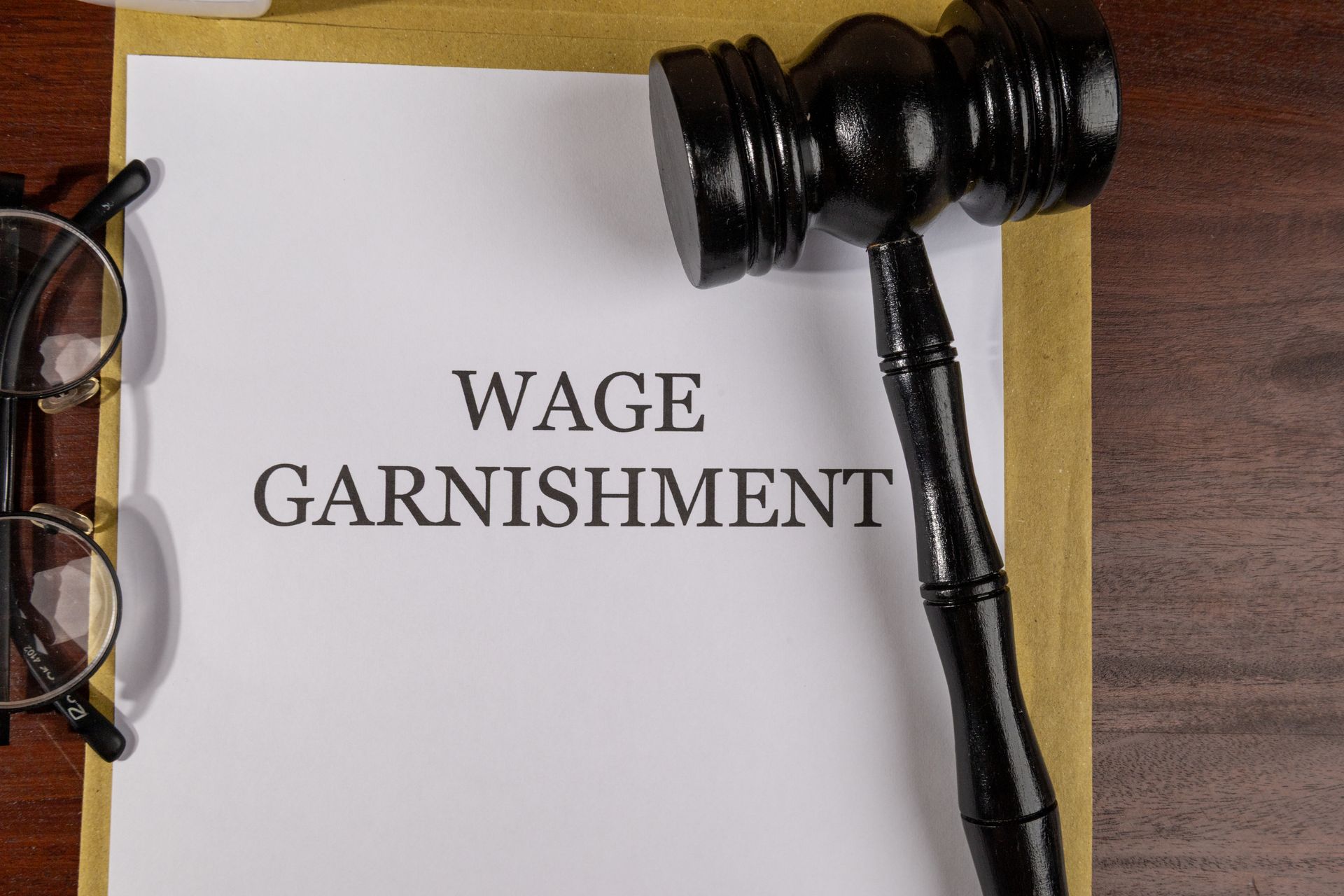
Consider bankruptcy if your debt is too large to settle realistically, you are already facing wage garnishment, you need an immediate automatic stay to stop creditor actions, or you have secured debt such as a mortgage in default.
Georgia follows the federal garnishment standard precisely, offering no additional state protections. Under O.C.G.A. § 18-4-5 and federal CCPA guidelines, a judgment creditor can seize the lesser of 25% of your weekly disposable earnings or the amount by which those earnings exceed 30 times the federal minimum wage ($217.50/week). In Bibb County, wage garnishment rates are among the highest in the state relative to local income levels. Filing for bankruptcy triggers an automatic stay that can stop garnishment immediately, something settlement negotiations alone cannot guarantee.
Georgia-Specific Considerations for Macon Residents
Macon's economy has diversified with growth in healthcare, logistics, and the arts, but median household incomes remain below the Georgia average. Many residents carry debt that exceeds what their income can realistically service. The right strategy depends heavily on your income, asset profile, and the types of debt you hold. Consulting a Debt Settlement Attorney early gives you a clearer picture of which path is achievable given your specific numbers.
Questions to Ask Your Attorney Before Deciding
Bring these questions to your first consultation: What types of debt do I have, and do they qualify for settlement or discharge? Am I currently insolvent and eligible for the insolvency exclusion? Have any creditors already filed suit or obtained a judgment in Bibb County? Do I have assets such as a home or vehicle I need to protect? Will my income pass the Georgia bankruptcy means test?
Frequently Asked Questions
Does Debt Settlement Stop Wage Garnishment in Georgia?
Settlement negotiations alone do not automatically stop a garnishment already in place. If a Macon creditor has already received a judgment, you may need to act quickly. A garnishment attorney in Macon, GA, can advise on the fastest route to relief.
Will I Owe Taxes on Forgiven Debt in Georgia?
Possibly. When a creditor settles for less than the full balance, the forgiven portion may be treated as taxable income and reported on Form 1099-C. Your attorney can help determine whether the insolvency exclusion applies to your case.
Can I Keep My Home if I File Bankruptcy in Macon?
It depends on the chapter you file. Chapter 13 allows residents with regular income to catch up on mortgage payments and save their home from foreclosure through a three-to-five-year repayment plan. Chapter 7 may put non-exempt assets at risk.
How Long Does Debt Settlement Take Compared to Bankruptcy?
Settlement can resolve individual accounts in months. Chapter 7 typically takes four to six months from filing to discharge. Chapter 13 involves a multi-year repayment plan. Your attorney can help set realistic expectations based on your number of creditors.
Take the Next Step With Experienced Local Guidance
Whether settlement or bankruptcy is right for you depends on your income, the types of debt you carry, and whether creditors have already taken legal action. Julius King LLC has served individuals and families across Bibb County and Middle Georgia since 2003, providing practical guidance on both debt settlement and personal bankruptcy options. If you are ready to speak with an experienced Debt Settlement Attorney about your options, contact the firm today or call (478) 745-8490 to schedule your consultation.